Plaidisimo
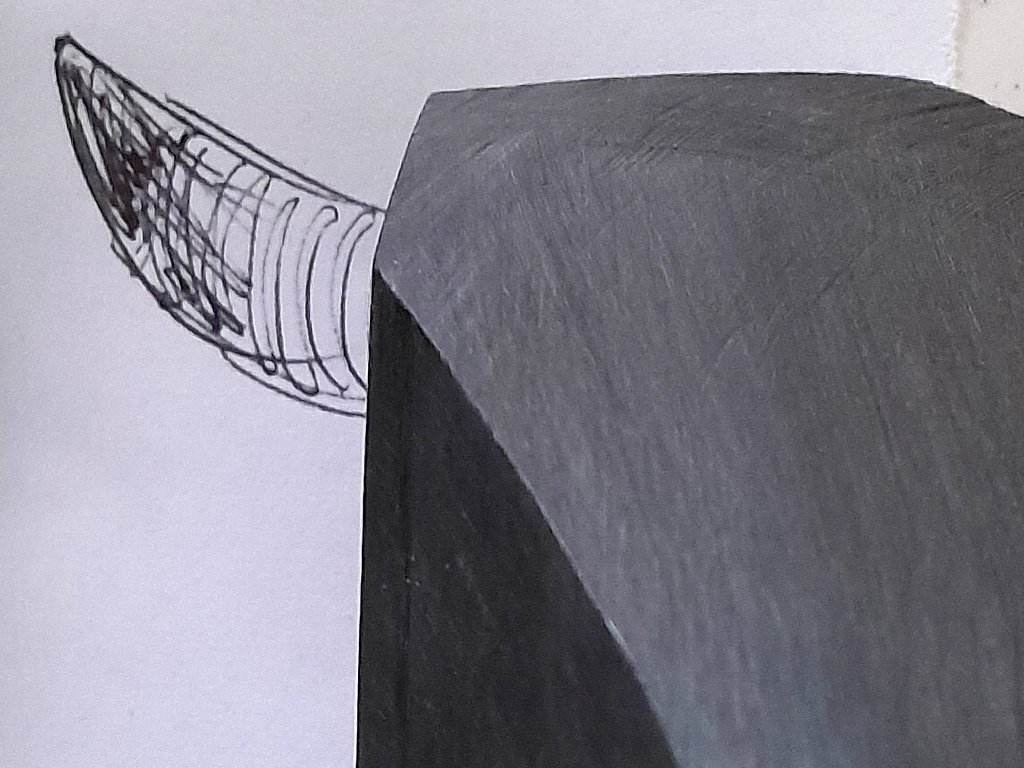
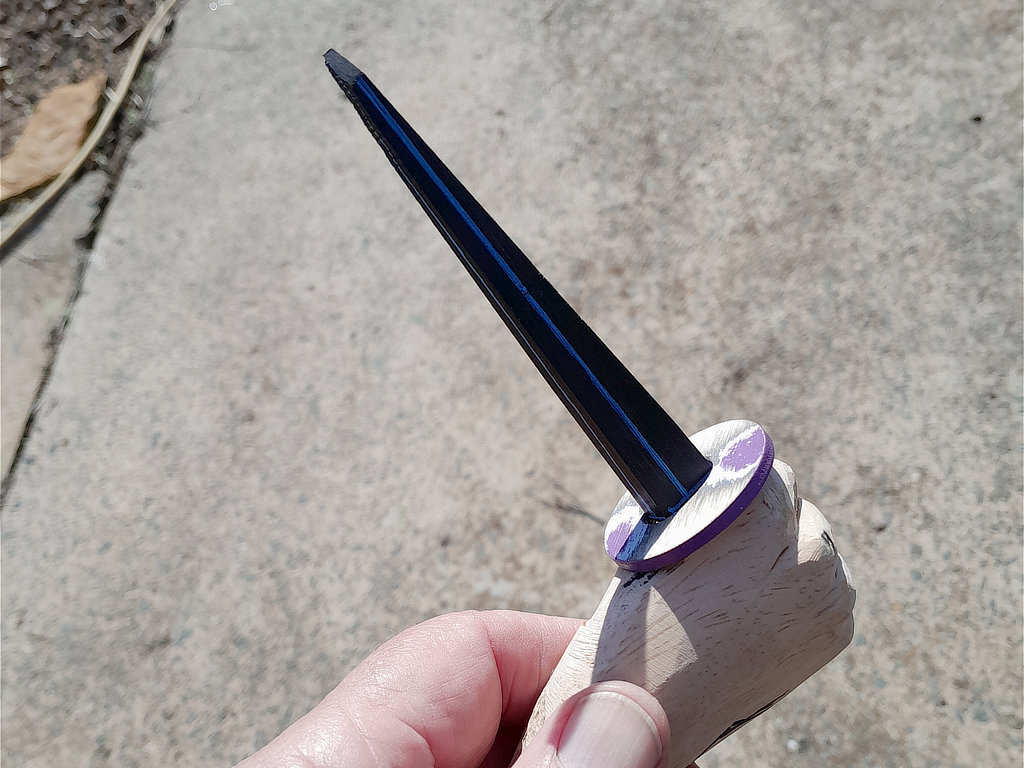
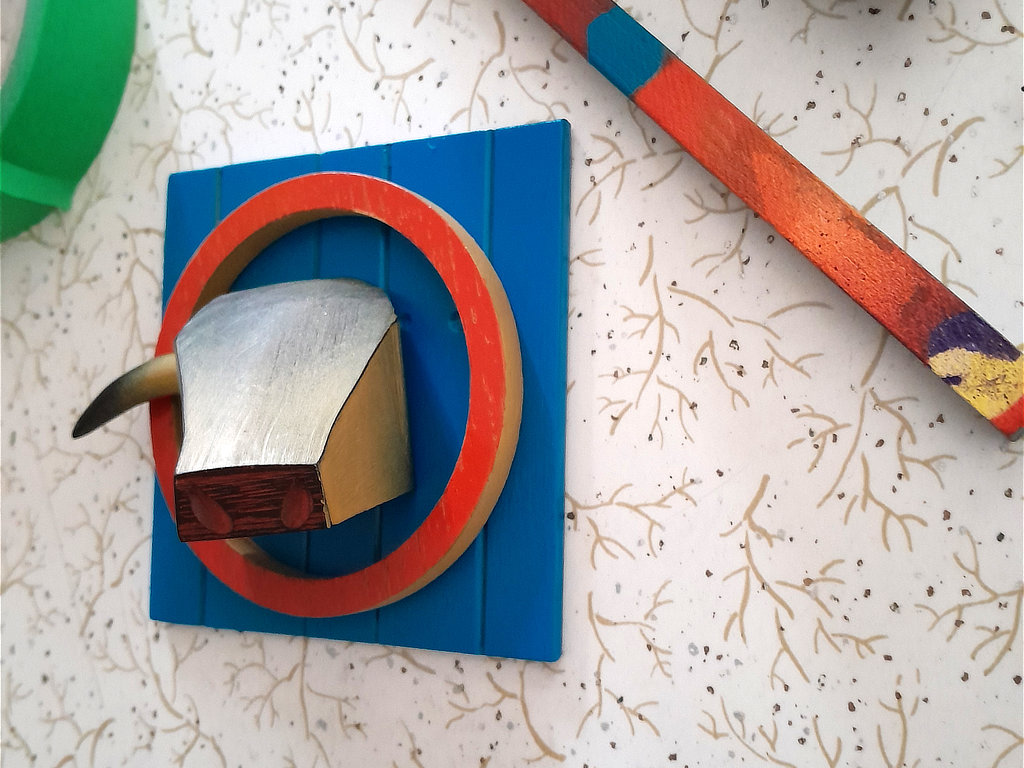
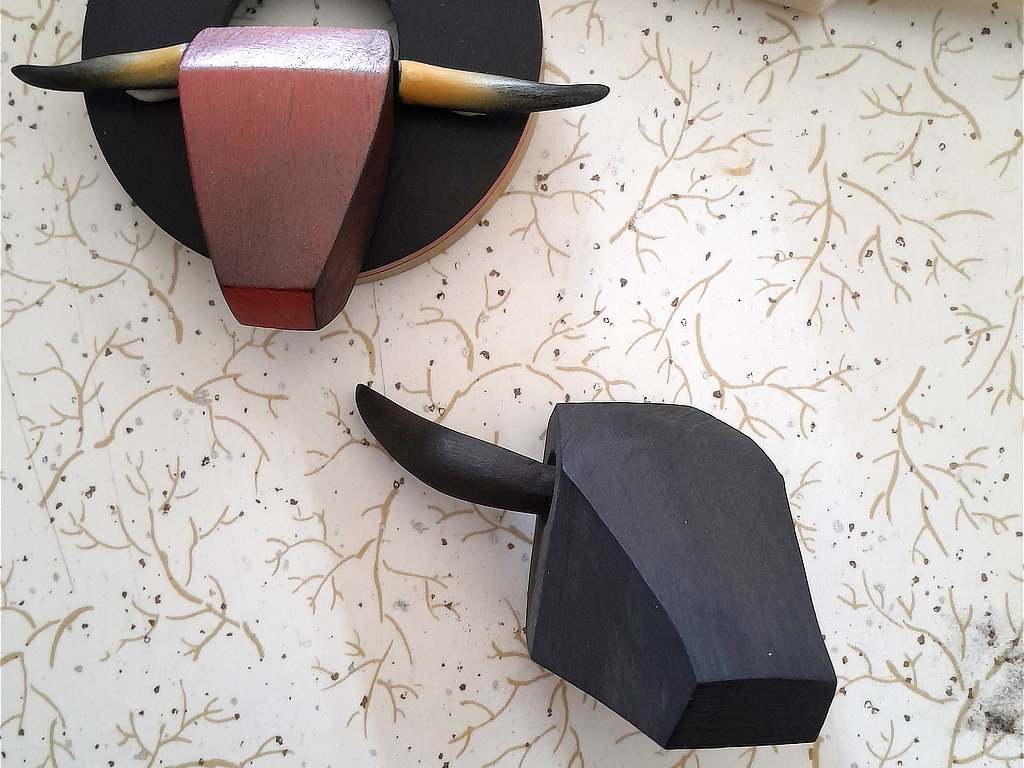
‘Plaidisimo’ is an ongoing series of wooden sculptural works currently in development. The project explores themes of migration, memory, identity and the evolving nature of Australian multiculturalism through a distinctly personal lens. While grounded in my own family history, these works also reflect a broader ”cultural” story shared by many migrant and settler families who contributed to the shaping of regional Victoria.
In European culture when we speak of heritage and occupation it implies ownership. But in truth the land is a permanent stage where all peoples stories are played out. It holds the histories of all who have moved through and across it. The land is the constant; it predates the stories written upon it and will outlast them all. Into this country came my parents, their parents before them, and countless others navigating the great Australian experiment of multiculturalism. But this country was never empty, never a blank page. The Dja Dja Wurrung people, the traditional custodians of this region, carry a presence and a history that is not part of that multicultural story so much as it underlies and precedes it. It is a living thread woven through all the others, without which none of them make full sense.
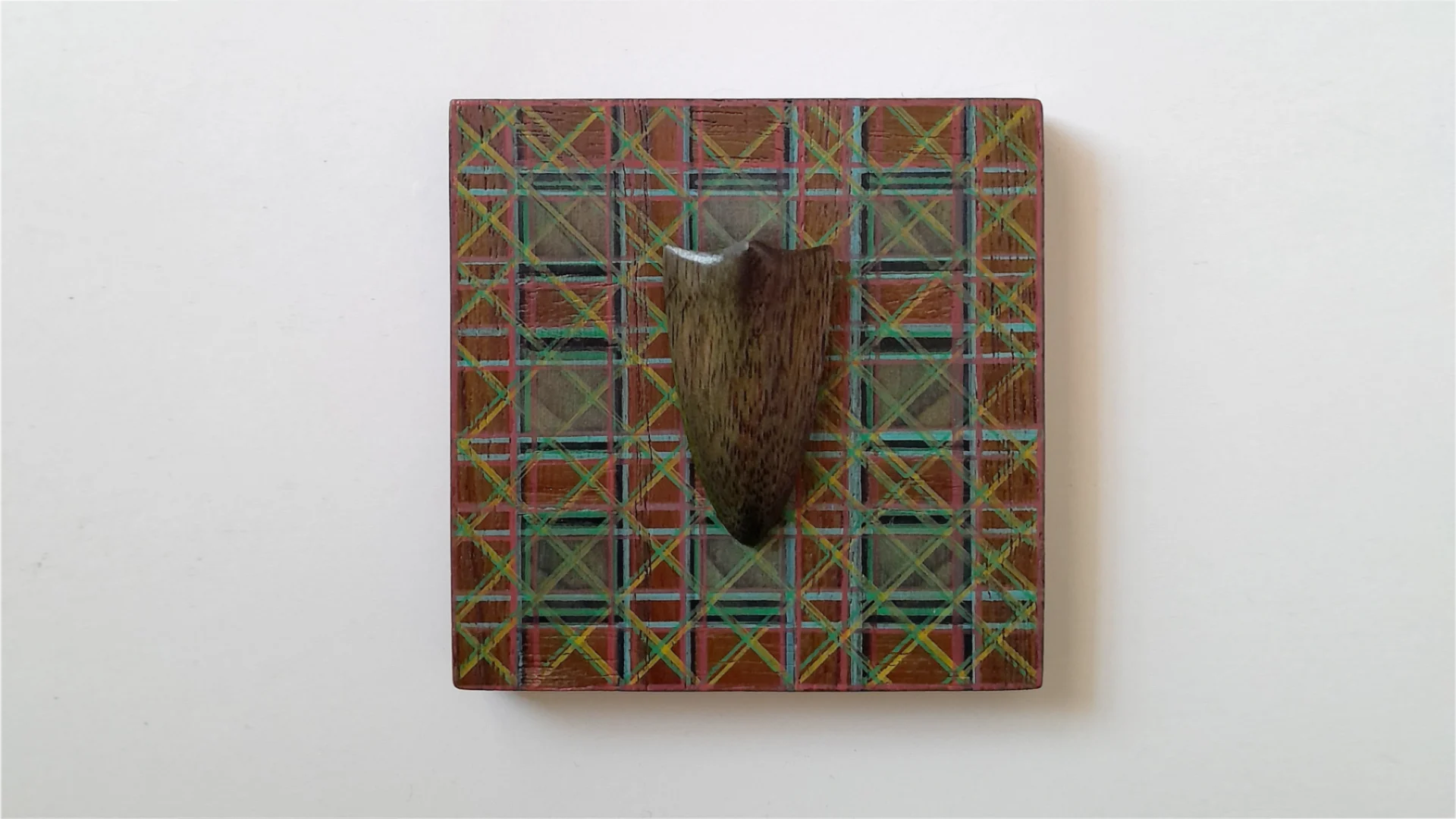
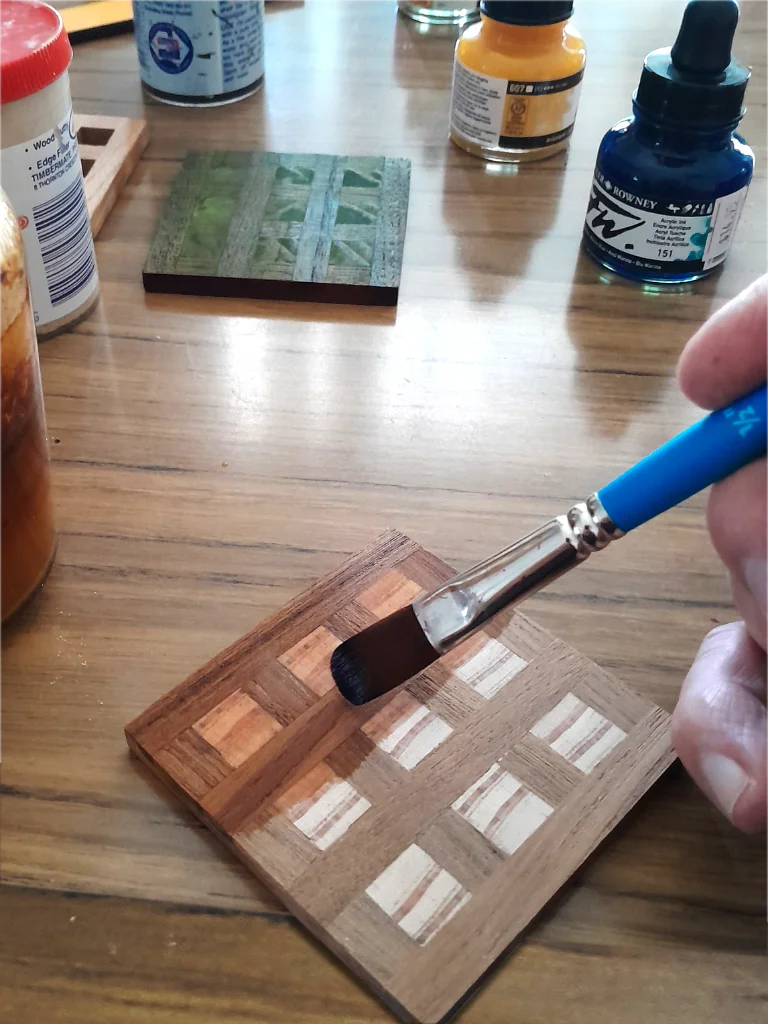
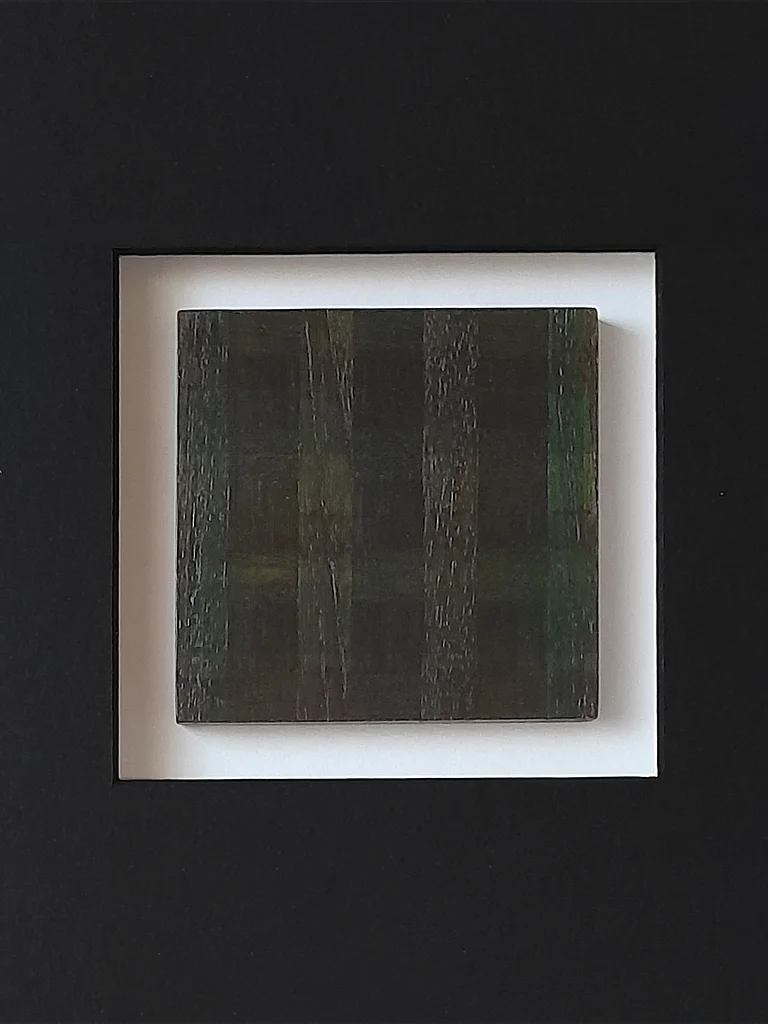
This collection of treated low relief sculptures examine the histories of my parents and ancestors as they integrated into what has often been described as the great Australian experiment of multiculturalism. The works acknowledge the tensions and harmonies that emerge when different traditions, languages and identities intersect across generations. Through layered forms, carved surfaces and symbolic pattern making, the series attempts to translate those experiences into visual form.
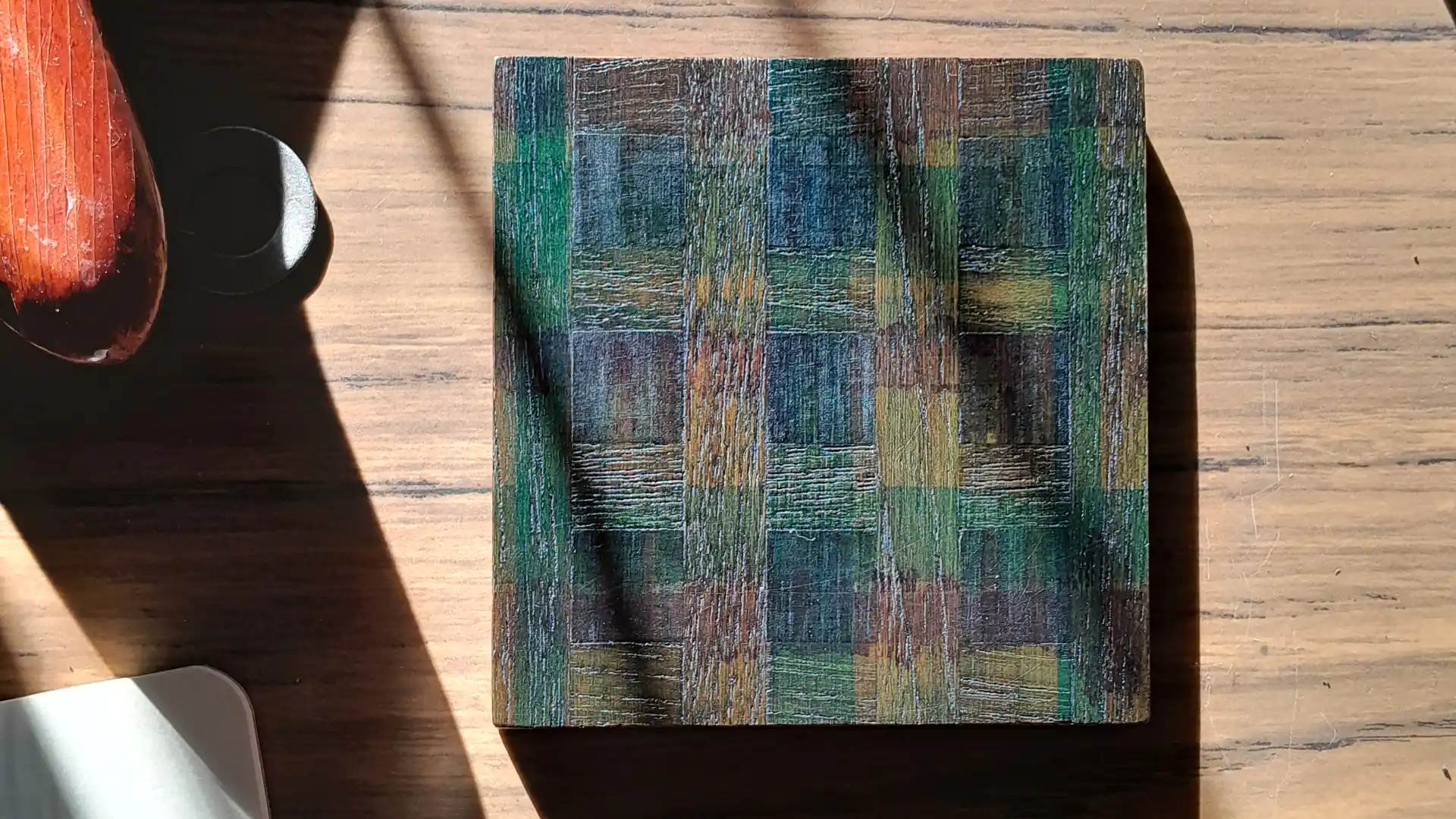
The visual language of ‘Plaidisimo’ draws upon heraldic motifs, Anglo-Celtic plaid traditions and decorative influences associated with Scottish, Irish and Italian heritage. These references are not used simply as ornamentation. Instead, they operate as markers of lineage, migration and adaptation. Each wooden sculpture becomes a kind of historical map, connecting filaments of family memory to wider stories of settlement and community formation in rural Australia.
The Campaspe and Shepparton regions of Victoria provides an important backdrop to the project. Many pioneer migrant families established themselves in these communities during the nineteenth and early twentieth centuries, bringing with them distinct traditions, skills and beliefs that gradually became woven into the social fabric of the region. ‘Plaidisimo’ is intended as a respectful homage to those families and to the enduring influence of migrant culture on regional Australian identity.
The works incorporate references to my own Italian, Scottish and Irish ancestry extending from the 1860s to the present day. By combining traditional carved forms with contemporary design sensibilities, the series attempts to bridge past and present while questioning simplistic ideas of national identity. The low-relief format also allows the sculpture to function almost like an archaeological surface, revealing layers of history, symbolism and personal narrative over time.
At its core, ‘Plaidisimo’ is concerned with continuity, belonging and the way cultural identity is inherited, altered and reinterpreted across generations. These wooden sculpture works seek to acknowledge both the fragility and resilience of memory, while recognising the profound contribution migrant communities have made to Australia’s evolving cultural landscape.